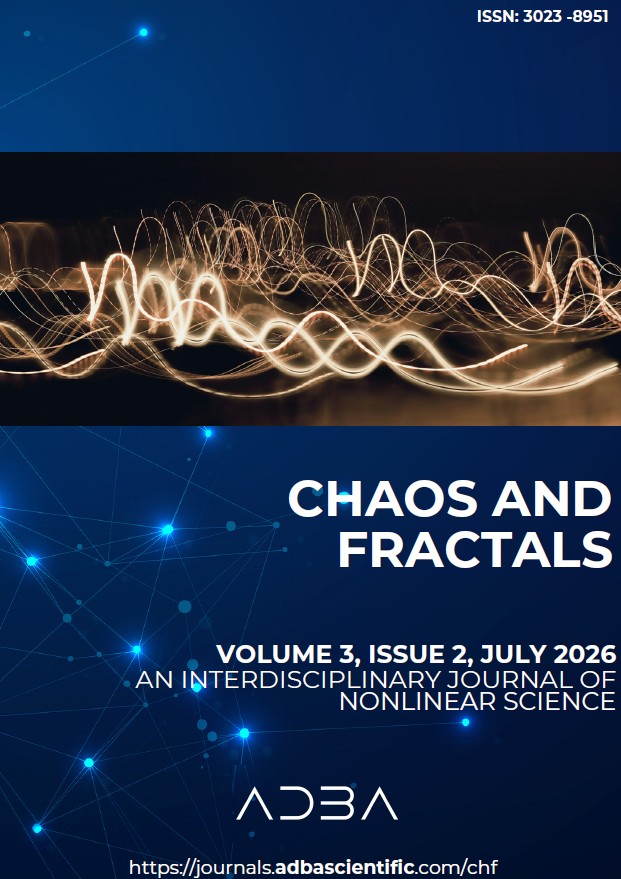
Chaos and Fractals
Chaos and Fractals publishes theoretical and applied research in nonlinear dynamics, chaos theory, and fractal geometry.
Chaos and Fractals is a peer-reviewed interdisciplinary journal dedicated to advancing the understanding and application of chaos theory and fractal geometry across various scientific disciplines. The journal serves as a nexus for researchers, mathematicians, physicists, engineers, and practitioners to disseminate cutting-edge research findings, innovative theories, and practical applications in the realm of chaos and fractals.
Chaos and Fractals publishes theoretical and applied research in nonlinear dynamics, chaos theory, and fractal geometry.
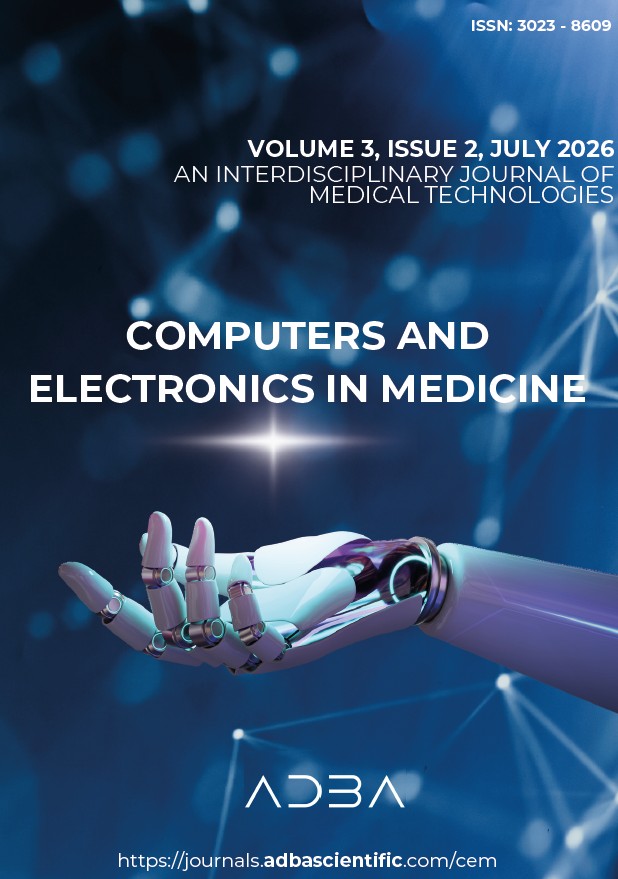
Computers and Electronics in Medicine publishes interdisciplinary research at the intersection of computing, electronics, and healthcare technologies.
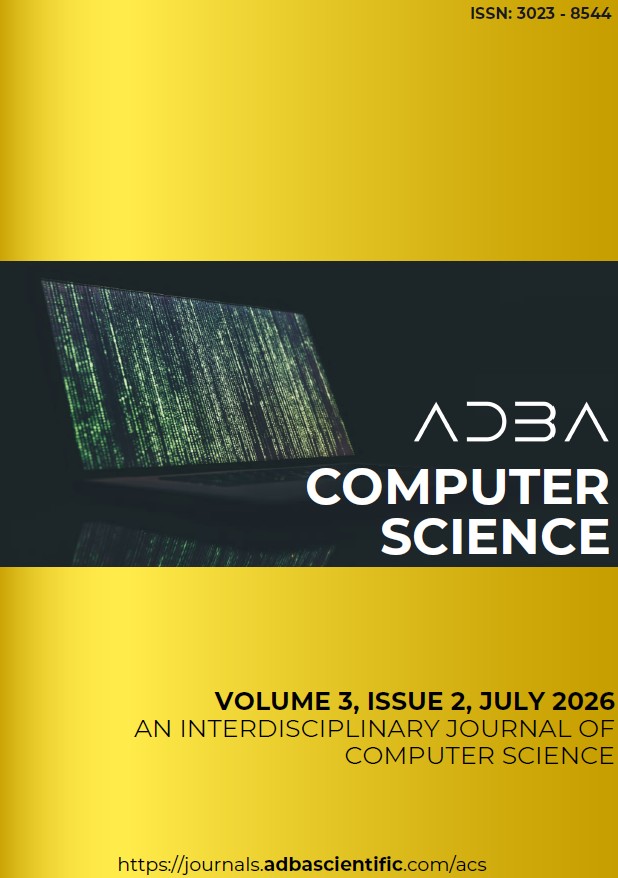
ADBA Computer Science publishes original research across core computer science disciplines and applied computing topics.

Information Technology in Economics and Business publishes research on digital transformation and information technology in economics and business.
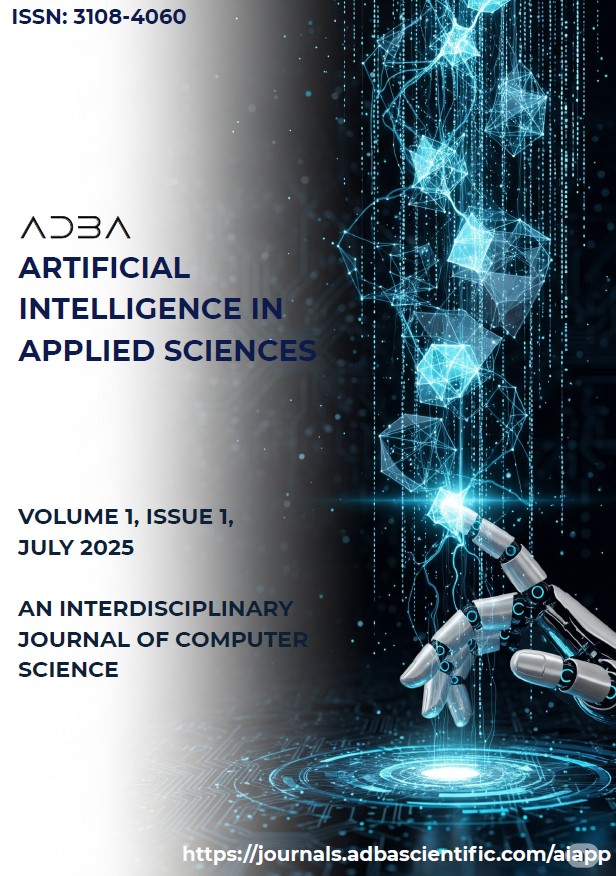
Artificial Intelligence in Applied Sciences publishes AI-driven solutions and applied research across engineering, health, and data science domains.

Computational Systems and Artificial Intelligence focuses on advanced computational models, intelligent systems, and real-world AI applications.
Engineering for Smart Agriculture is an international scholarly journal dedicated to advancing innovative engineering solutions for modern, data-driven, and sustainable agriculture. The journal provides a multidisciplinary platform for high-quality research at the intersection of agricultural engineering, smart systems, digital technologies, and environmental sustainability. It aims to publish original studies that contribute to improving agricultural productivity, resource efficiency, resilience, and decision-making through the integration of intelligent technologies. The journal welcomes theoretical, experimental, and applied research on topics such as precision agriculture, agricultural automation, sensor technologies, Internet of Things (IoT), artificial intelligence, machine learning, robotics, remote sensing, unmanned aerial systems, digital twins, climate-smart farming, water and energy management, and smart greenhouse systems. By bridging engineering innovation with agricultural practice, Engineering for Smart Agricultureseeks to support the transformation of traditional farming into intelligent, efficient, and sustainable agricultural systems for the future.
About the Journal Science and Contemplation is an international, peer-reviewed academic journal that seeks to establish a strong relationship between scientific research and intellectual inquiry. The primary aim of the journal is to contribute to academic scholarship by publishing original, high-quality, and interdisciplinary studies developed around science, thought, ethics, humanity, society, culture, and civilization. The journal approaches science not merely as a technical process of knowledge production, but also as a field of truth-seeking, meaning-making, critical reflection, and intellectual responsibility. Aim and Scope In this framework, the journal welcomes theoretical, conceptual, critical, and applied studies on philosophy of science, scientific thought, contemplation, knowledge, interpretation, ethics, education, culture, technology, civilization, the relationship between human beings and nature, and contemporary issues. It particularly values contributions that examine the intellectual, social, moral, and cultural dimensions of knowledge; critically engage with the relationship between science, technology, and society; and contribute to the shared scholarly and intellectual heritage of humanity. Areas of Interest The journal welcomes original and high-quality contributions in the following areas: Philosophy of Science and Scientific Thought Contemplation, Wisdom, and Intellectual Tradition Knowledge, Truth, and Interpretation Science, Ethics, and Academic Responsibility Science, Technology, and Society Humanity, Society, Culture, and Civilization Education, Values, and Intellectual Heritage Studies on Nature, Universe, and Being Digitalization, Artificial Intelligence, and the Future of Humanity Interdisciplinary Research and Theoretical Approaches Contemporary Issues and Critical Perspectives Scientific Research, Methodology, and Academic Debates Publication Principles Guided by the principles of academic integrity, scientific quality, originality, critical inquiry, and ethical publishing, Science and Contemplation publishes research articles, review articles, evaluative studies, and theoretical contributions. The journal aims to strengthen interdisciplinary academic interaction, provide a qualified platform for scholarly debate, and make lasting contributions to the worlds of science and thought.
The journal welcomes theoretical, computational, experimental, and applied studies focusing on the development and application of intelligent systems in chemical and materials science. It particularly encourages contributions that explore how data-centric and AI-driven methods can improve scientific understanding, accelerate innovation, enhance prediction accuracy, optimize experimental design, and contribute to sustainable and efficient chemical and materials technologies. The journal values research that addresses the scientific, technological, and industrial dimensions of intelligent methods in chemistry and materials science, while also fostering dialogue between fundamental science, engineering practice, and digital transformation. The journal welcomes original and high-quality contributions in the following areas: Artificial Intelligence in Chemistry and Materials Science Machine Learning for Molecular and Materials Design Data-Driven Modeling and Scientific Prediction Computational Chemistry and Materials Informatics Intelligent Systems for Chemical Process Optimization Smart Manufacturing and Digitalization in Materials Engineering Reaction Prediction, Kinetics, and Mechanistic Modeling Structure–Property–Performance Relationships Materials Discovery and High-Throughput Screening AI-Assisted Spectroscopy, Imaging, and Characterization Intelligent Sensors, Monitoring, and Diagnostic Systems Sustainable Materials and Green Chemical Technologies Multi-Scale Modeling and Simulation Autonomous Laboratories and Intelligent Experimental Design Explainable AI, Scientific Interpretation, and Decision Support Digital Twins and Smart Systems for Chemical and Materials Processes Interdisciplinary Research in Intelligent Scientific Systems Emerging Topics in Chemical and Materials Data Science Guided by the principles of academic integrity, scientific quality, originality, methodological rigor, and ethical publishing, Intelligent Systems for Chemical and Materials Science publishes research articles, review articles, methodological studies, application-oriented papers, and theoretical contributions. The journal aims to strengthen interdisciplinary academic collaboration, promote innovation in intelligent scientific systems, and contribute meaningfully to the future of chemical and materials research.
%22%2F%3E%0A%20%20%3Crect%20width%3D%22400%22%20height%3D%22540%22%20rx%3D%2216%22%20fill%3D%22url(%23shine)%22%2F%3E%0A%20%20%3C!--%20decorative%20circles%20--%3E%0A%20%20%3Ccircle%20cx%3D%22300%22%20cy%3D%2297.2%22%20r%3D%2290%22%20fill%3D%22white%22%20opacity%3D%220.06%22%2F%3E%0A%20%20%3Ccircle%20cx%3D%22100%22%20cy%3D%22351%22%20r%3D%2260%22%20fill%3D%22white%22%20opacity%3D%220.04%22%2F%3E%0A%20%20%3C!--%20top%20bar%20--%3E%0A%20%20%3Crect%20y%3D%220%22%20width%3D%22400%22%20height%3D%226%22%20rx%3D%220%22%20fill%3D%22white%22%20opacity%3D%220.2%22%2F%3E%0A%20%20%3C!--%20ADBA%20label%20--%3E%0A%20%20%3Ctext%20x%3D%22200%22%20y%3D%2250%22%20text-anchor%3D%22middle%22%20font-family%3D%22'Segoe%20UI'%2Csystem-ui%2Csans-serif%22%20font-size%3D%2213%22%20font-weight%3D%22700%22%20letter-spacing%3D%223%22%20fill%3D%22white%22%20opacity%3D%220.6%22%3EMYSER%20PUBLISHING%20AND%20INFORMA%3C%2Ftext%3E%0A%20%20%3C!--%20large%20initials%20--%3E%0A%20%20%3Ctext%20x%3D%22200%22%20y%3D%22243%22%20text-anchor%3D%22middle%22%20font-family%3D%22'Segoe%20UI'%2Csystem-ui%2Csans-serif%22%20font-size%3D%2288%22%20font-weight%3D%22800%22%20fill%3D%22white%22%20opacity%3D%220.18%22%3ECDSS%3C%2Ftext%3E%0A%20%20%3C!--%20ring%20around%20initials%20--%3E%0A%20%20%3Ccircle%20cx%3D%22200%22%20cy%3D%22205.2%22%20r%3D%2275%22%20stroke%3D%22white%22%20stroke-width%3D%221.5%22%20fill%3D%22none%22%20opacity%3D%220.12%22%2F%3E%0A%20%20%3C!--%20journal%20title%20--%3E%0A%20%20%3Ctext%20x%3D%22200%22%20y%3D%22440%22%20text-anchor%3D%22middle%22%20font-family%3D%22'Segoe%20UI'%2Csystem-ui%2Csans-serif%22%20font-size%3D%2216%22%20font-weight%3D%22600%22%20fill%3D%22white%22%20opacity%3D%220.95%22%3EComputational%20Data%3C%2Ftext%3E%3Ctext%20x%3D%22200%22%20y%3D%22462%22%20text-anchor%3D%22middle%22%20font-family%3D%22'Segoe%20UI'%2Csystem-ui%2Csans-serif%22%20font-size%3D%2216%22%20font-weight%3D%22600%22%20fill%3D%22white%22%20opacity%3D%220.95%22%3EScience%20for%3C%2Ftext%3E%3Ctext%20x%3D%22200%22%20y%3D%22484%22%20text-anchor%3D%22middle%22%20font-family%3D%22'Segoe%20UI'%2Csystem-ui%2Csans-serif%22%20font-size%3D%2216%22%20font-weight%3D%22600%22%20fill%3D%22white%22%20opacity%3D%220.95%22%3ESustainability%3C%2Ftext%3E%0A%20%20%3C!--%20bottom%20bar%20--%3E%0A%20%20%3Crect%20y%3D%22534%22%20width%3D%22400%22%20height%3D%226%22%20rx%3D%220%22%20fill%3D%22white%22%20opacity%3D%220.25%22%2F%3E%0A%3C%2Fsvg%3E)
Computational and data-driven research advancing environmental, social, and economic sustainability.
%22%2F%3E%0A%20%20%3Crect%20width%3D%22400%22%20height%3D%22540%22%20rx%3D%2216%22%20fill%3D%22url(%23shine)%22%2F%3E%0A%20%20%3C!--%20decorative%20circles%20--%3E%0A%20%20%3Ccircle%20cx%3D%22300%22%20cy%3D%2297.2%22%20r%3D%2290%22%20fill%3D%22white%22%20opacity%3D%220.06%22%2F%3E%0A%20%20%3Ccircle%20cx%3D%22100%22%20cy%3D%22351%22%20r%3D%2260%22%20fill%3D%22white%22%20opacity%3D%220.04%22%2F%3E%0A%20%20%3C!--%20top%20bar%20--%3E%0A%20%20%3Crect%20y%3D%220%22%20width%3D%22400%22%20height%3D%226%22%20rx%3D%220%22%20fill%3D%22white%22%20opacity%3D%220.2%22%2F%3E%0A%20%20%3C!--%20ADBA%20label%20--%3E%0A%20%20%3Ctext%20x%3D%22200%22%20y%3D%2250%22%20text-anchor%3D%22middle%22%20font-family%3D%22'Segoe%20UI'%2Csystem-ui%2Csans-serif%22%20font-size%3D%2213%22%20font-weight%3D%22700%22%20letter-spacing%3D%223%22%20fill%3D%22white%22%20opacity%3D%220.6%22%3EMYSER%3C%2Ftext%3E%0A%20%20%3C!--%20large%20initials%20--%3E%0A%20%20%3Ctext%20x%3D%22200%22%20y%3D%22243%22%20text-anchor%3D%22middle%22%20font-family%3D%22'Segoe%20UI'%2Csystem-ui%2Csans-serif%22%20font-size%3D%2288%22%20font-weight%3D%22800%22%20fill%3D%22white%22%20opacity%3D%220.18%22%3ENDS%3C%2Ftext%3E%0A%20%20%3C!--%20ring%20around%20initials%20--%3E%0A%20%20%3Ccircle%20cx%3D%22200%22%20cy%3D%22205.2%22%20r%3D%2275%22%20stroke%3D%22white%22%20stroke-width%3D%221.5%22%20fill%3D%22none%22%20opacity%3D%220.12%22%2F%3E%0A%20%20%3C!--%20journal%20title%20--%3E%0A%20%20%3Ctext%20x%3D%22200%22%20y%3D%22440%22%20text-anchor%3D%22middle%22%20font-family%3D%22'Segoe%20UI'%2Csystem-ui%2Csans-serif%22%20font-size%3D%2216%22%20font-weight%3D%22600%22%20fill%3D%22white%22%20opacity%3D%220.95%22%3ENeural%20Differential%3C%2Ftext%3E%3Ctext%20x%3D%22200%22%20y%3D%22462%22%20text-anchor%3D%22middle%22%20font-family%3D%22'Segoe%20UI'%2Csystem-ui%2Csans-serif%22%20font-size%3D%2216%22%20font-weight%3D%22600%22%20fill%3D%22white%22%20opacity%3D%220.95%22%3ESystems%3C%2Ftext%3E%0A%20%20%3C!--%20bottom%20bar%20--%3E%0A%20%20%3Crect%20y%3D%22534%22%20width%3D%22400%22%20height%3D%226%22%20rx%3D%220%22%20fill%3D%22white%22%20opacity%3D%220.25%22%2F%3E%0A%3C%2Fsvg%3E)
Mathematical foundations, computational methods, and applications connecting neural computation and differential systems.
Always on
Quick questions:
Powered by ADBA Scientific AI